
 In the digital age, your website is often the first real interaction a potential client or partner has with your business. While word of mouth and personal relationships remain valuable in the B2B (business-to-business) world, the reality is that most decision-makers will still visit your website to learn more about your offerings, expertise, and track record. If your website is outdated, difficult to navigate, or doesn’t reflect your current branding and messaging, you might be missing out on crucial opportunities.
The Evolution of B2B Website Design
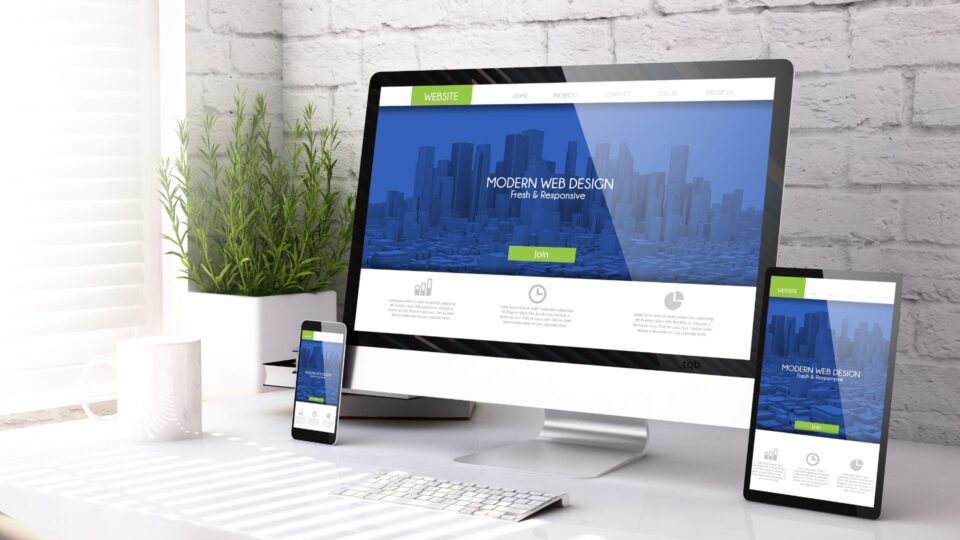
A Shift from Static to Interactive Gone are the days when a B2B website was merely a digital brochure. Websites have evolved from static pages with minimal content to interactive platforms that foster engagement. A decade ago, many B2B companies were primarily concerned with having an “online presence” without focusing on user experience (UX). Today, modern design principles emphasize clarity, user engagement, and intuitive navigation. Rise of Mobile Responsiveness With smartphones and tablets being a primary touchpoint for many business professionals, mobile-responsive design has become non-negotiable. Older websites often aren’t optimized for mobile viewing, leading to distorted layouts, tiny text, and frustrating navigation. B2B audiences expect a smooth, consistent experience across devices, so failing to accommodate mobile users can be a deal-breaker. Emphasis on Branding and Storytelling Branding has taken center stage in the B2B arena, right investment in branding is key. As competition intensifies, companies use their websites to tell compelling stories that differentiate them from the pack. This storytelling approach, coupled with clean and modern aesthetics, has transformed how B2B websites look and feel. Technology and Integration Newer B2B websites often integrate seamlessly with CRM systems, marketing automation platforms, analytics tools, and more. This integration allows for better tracking of user behavior, lead nurturing, and data-driven decision-making. Companies that haven’t updated their websites in the last few years may lack these integrations, missing out on vital insights and efficiency gains.The Importance of a Professional B2B Website
First Impressions Matter Your website is often the first real impression a potential client or partner will have of your company. In a B2B context, these decision-makers are not just browsing for entertainment; they’re looking for solutions. If your website fails to convey professionalism, expertise, and clarity, they might move on to a competitor. Central Hub for Digital Marketing A well-designed website serves as the central hub of all your digital marketing activities. From social media to email campaigns, every digital channel directs prospects back to your website. This makes the website’s design, content, and functionality crucial for converting leads into clients. Reflects Your Company’s Evolution Many B2B firms pivot, expand, or refine their offerings over time. If your website doesn’t reflect your current positioning, you risk sending mixed signals to potential partners and clients. A modern website can highlight new services, case studies, and client testimonials that demonstrate your expertise. Enhances Credibility and Trust B2B transactions involve higher stakes and longer sales cycles. Decision-makers need to trust that your company can deliver. A well-structured website with strong branding, relevant case studies, and clear value propositions can significantly enhance credibility. Ace Logic Solutions often reminds clients that a great website can be the difference between getting a callback or being dismissed as an outdated option. Investing in professional design and content is non-negotiable for B2B success.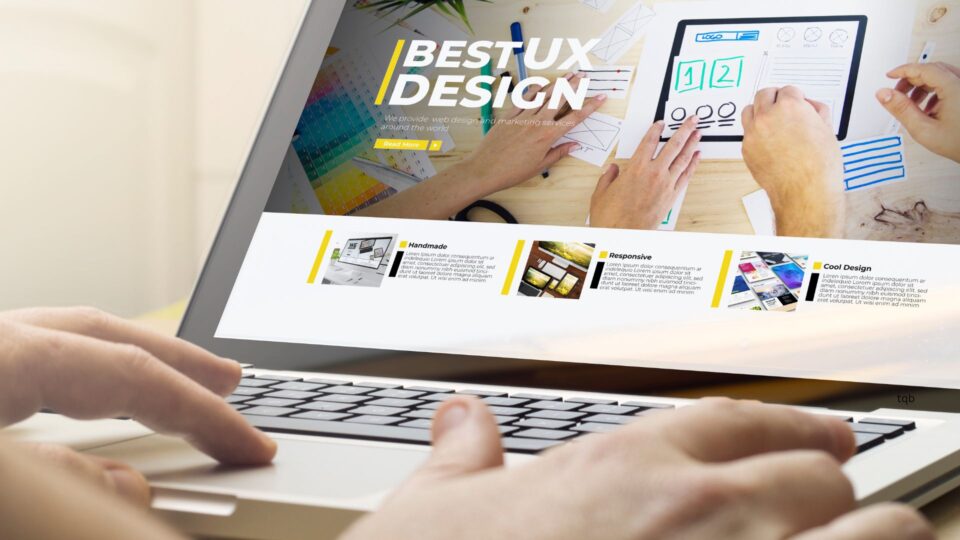
The Website as the Backbone of Digital Marketing
In today’s interconnected digital landscape, your website acts as the backbone that supports all other marketing initiatives. Let’s break down how different digital channels rely on a strong, well-maintained website:- SEO (Search Engine Optimization): Search engines reward websites that are optimized for user experience, content quality, and technical performance.
- Social Media Marketing: Posts, ads, and social campaigns ultimately direct users to your website for more information or to complete a desired action.
- Email Marketing: Whether it’s a newsletter for a services business or a product announcement, your emails should link back to your website for deeper engagement.
- Paid Advertising (PPC): Even pay-per-click ads direct prospects to targeted landing pages on your website. If those pages aren’t well-designed, you’ll lose conversions.
- Content Marketing: Whitepapers, blogs, and case studies all reside on your website, making it the central repository of your thought leadership.
- Site speed: Slow-loading pages can hurt both user experience and your search rankings.
- Mobile-friendliness: A responsive design is crucial for SEO performance.
- Site architecture: Clear navigation and a logical URL structure help search engines crawl and index your pages effectively.
- Security (HTTPS): Websites without HTTPS can be flagged by browsers and receive lower rankings.
Social Media Integration
While social media is often associated with B2C marketing, it also holds substantial value for B2B. Platforms like LinkedIn, Twitter (X), and even Facebook can be powerful tools for building brand awareness, sharing thought leadership content, and connecting with industry peers. Why Social Media Matters for B2B- Networking: LinkedIn groups and industry forums can lead to valuable partnerships and client relationships.
- Thought Leadership: Sharing articles, case studies, and industry news can position your brand as an authoritative voice.
- Traffic Generation: Social media posts should funnel interested readers back to your website for deeper engagement.
Content Marketing: A Core Pillar for B2B
Content marketing is the lifeblood of many knowledge-driven B2B industries such as consulting, education, HR, manufacturing, construction, engineering, and more. It’s not just about producing content—it’s about producing the right content that resonates with your audience’s pain points and questions. Types of Content
- Blogs: Regularly updated articles on industry trends, how-to guides, and best practices.
- Case Studies: Showcasing real-world applications of your solutions builds trust and credibility.
- Whitepapers and Ebooks: In-depth analyses that position your company as a thought leader.
- Webinars and Videos: Visual content can be more engaging and shareable.

Building Trust and Thought Leadership
In the B2B space, brand trust is everything. Decision-makers need to feel confident in your expertise and reliability before signing a contract or committing to a long-term partnership. Key Trust-Building Elements- Team Details: Showcasing the backgrounds and expertise of key team members.
- Certifications and Licenses: If your industry requires specific certifications, display them prominently.
- Case Studies: Provide detailed success stories that highlight your track record.
- Client Testimonials: Real quotes from satisfied clients can be extremely persuasive.
- Industry Awards: Showcasing awards or recognitions can set you apart from competitors.
Strategic Partnerships That Deliver—Case Studies
At Ace Logic Solutions, we bring over a decade of experience in helping businesses grow through integrated website, brand and marketing solutions. With partnerships across 30+ sectors, we provide both B2B and D2C strategies for product and services companies, tailored to the realities of each industry. Our solutions — spanning market research, brand consulting, website development, and marketing services — are designed and strategically deployed to align with your sector and business stage. From start-ups building their first brand identity to legacy companies undergoing digital transformation, we create impact-driven campaigns that connect businesses with their customers in meaningful ways. We invite you to explore our industry case studies (including case studies on website solutions) to see how we’ve worked with companies across multiple sectors like fintech, wellness, manufacturing, textiles, machinery, services, and many more — designing solutions that stand the test of markets, scale, and customer expectations.
Best Practices Across B2B Sectors (Table)
Below is a simplified illustration of how website sections, design principles, and technology choices might differ across a few key B2B sectors like consulting, educational institutions and manufacturing companies. This is by no means exhaustive, but it provides a good starting framework.| B2B Sector | Key Website Sections | Design Principles | Recommended Platform/Tech |
| Consulting (e.g., HR, Strategy) | – Services Overview – Team Bios – Case Studies – Thought Leadership Blog | – Clean, minimalistic – Emphasis on thought leadership – Easy navigation | – WordPress with a custom theme – HubSpot CMS for integrated marketing |
| Manufacturing, Industrial & Engineering | – Product Catalog – Technical Specs – Request a Quote – Industry Certifications | – Functional layout – Clear calls-to-action – Mobile responsive | – WordPress with WooCommerce (if e-commerce) – Drupal for complex data |
| Education & Training | – Course Listings – Enrollment/Sign-Up – Testimonials – Resource Library | – Engaging visuals – Clear enrollment funnel – Focus on credibility | – WordPress with LMS plugins – Moodle for specialized e-learning |
| IT & Software Services | – Product Features – Pricing/Packages – Integrations – Customer Support | – Modern, tech-savvy look – Interactive demos – Frequent updates | – WordPress or Webflow for agility – Custom-built React or Angular for complex apps |
| Construction & Real Estate | – Project Portfolio – Client Testimonials – Services & Capabilities – Contact/Inquiry | – Visual, project-centric – Emphasis on trust & reliability | – WordPress or Joomla – Custom platform for large-scale real estate data |

Trust Elements in B2B Websites (Illustrative Chart)
Below is an illustrative way to categorize trust-building content. Feel free to adapt this chart to your own industry needs.| Element | Purpose | Placement on Website | Tips |
| Team Details | Showcases expertise and humanizes your brand | About Us / Team Page | Include professional headshots, LinkedIn profiles, etc. |
| Certifications/Licenses | Highlights industry recognition and compliance | Homepage footer or dedicated section | Use logos and official badges for immediate credibility |
| Case Studies | Demonstrates real-world success and application | Dedicated Case Study/Insights page | Focus on measurable results and client quotes |
| Client Testimonials | Adds social proof and builds confidence | Homepage, product pages, or sidebar | Include the client’s name, title, and company if possible |
| Awards/Accolades | Differentiates you from competitors | Homepage or About Us section | Keep it updated; old awards can look outdated |

Conclusion
In a rapidly evolving digital landscape, B2B companies cannot afford to have outdated or underperforming websites. From design aesthetics to mobile responsiveness, from SEO to social media integration, your website is the cornerstone of all your digital marketing efforts. It’s your global digital front, shaping perceptions and driving engagement at every turn. As B2B website designs continue to transform, companies across sectors—especially those that haven’t updated their sites in years—should evaluate their current digital presence. A well-designed, content-rich, and technically optimized website not only improves credibility but also acts as the backbone for all your marketing initiatives. At Ace Logic Solutions, we’ve seen firsthand how a modern, strategically developed website can revitalize a B2B brand’s digital presence. Whether you’re a startup looking to build your first site or an established firm needing a comprehensive redesign, investing in your website is investing in the future of your business.FAQs
- How often should a B2B company update its website design?
- Is WordPress the best platform for all B2B websites?
- What is the biggest SEO challenge for B2B websites?
- How important is social media for B2B companies?
- Can I handle website design and updates in-house, or should I hire an agency?
Final Note
As B2B continues to evolve, your website will remain the cornerstone of your digital strategy. Whether you need a refresh or a full rebuild, ensuring your website is optimized for user experience, credibility, and lead generation is the best investment you can make for sustainable growth. If you’re ready to take your B2B website to the next level, Ace Logic Solutions is here to help you navigate the journey.
Ace Logic Solutions is a Mumbai-based digital marketing and brand solutions agency, founded in 2019. We specialise in building integrated digital marketing strategies for B2B and D2C brands across manufacturing, engineering, professional services, fintech, wellness, and technology sectors. With 100+ clients across 24+ sectors, our work spans brand strategy, social media management, performance marketing, SEO, LLMO, and integrated content strategies. Our verified corporate profile can be viewed via the official company page.